

Steps to Develop a Sales Funnel That Consistently Converts
Most sales funnels leak leads at every stage, quietly draining your growth potential. Fixing those gaps means more than just plugging holes—it’s about building a system that converts consistently. This post breaks down clear steps you can take, from lead magnets to AI-driven follow-up, so your sales funnel works harder and smarter for your business. For more insights, check out this step-by-step guide.
Laying the Foundation
Before building a sales funnel, you need a solid groundwork. This involves understanding the sales funnel, knowing your audience, and developing captivating lead magnets.
Understanding the Sales Funnel
A sales funnel is your map to guide potential customers from awareness to purchase. Think of it as a journey. Most people believe a funnel is a simple path, but it often requires careful planning. Each stage needs attention. In the awareness phase, customers learn about your product. As they proceed, they consider options and eventually decide to buy. To dive deeper, explore the Salesforce blog for an in-depth look.
Identifying Target Audience
Knowing your audience is crucial. Consider their needs, preferences, and behaviors. If you don’t, your funnel won’t connect with them. Ask yourself: Who are they? What problems do they face? How can your product solve these? By tailoring your message, you build trust and encourage engagement. Most people think they know their audience, but assumptions can be misleading without data.
Crafting a Lead Magnet
Your lead magnet attracts and captures interest. It’s the bait that reels in potential customers. What can you offer that provides real value? Maybe it’s a free ebook, a checklist, or a webinar. Your lead magnet should solve a specific problem and promise a quick win. Once they see value, they’re more likely to engage further. This initial offer sets the stage for the rest of your funnel.
Building the Funnel

With a foundation in place, it’s time to construct the funnel itself. This involves optimizing landing pages, tagging CRM systems effectively, and automating emails.
Landing Page Best Practices
Your landing page is the entry point. It’s where first impressions count. It should be clear, concise, and compelling. Use strong headlines and engaging visuals. Ensure your call to action (CTA) stands out. According to studies, 70% of visitors judge a site’s credibility based on design. Use testimonials or reviews to build trust. For more tips, check out this article.
Effective CRM Tagging
CRM systems help track interactions. Proper tagging ensures you follow up appropriately. Identify customer interests and purchase history. This helps you send personalized messages, improving engagement and conversion chances. Incorrect tagging can lead to missed opportunities. Use categories that align with your funnel stages to streamline communication.
Email Automation Essentials
Automating emails keeps prospects engaged without manual effort. Start with a welcome email, followed by informative content tailored to their interests. Consistent, valuable communication nurtures relationships. But beware of overloading their inbox. Use automation to send timely, relevant messages. This approach helps maintain interest and guides them toward purchasing.
Perfecting the Process
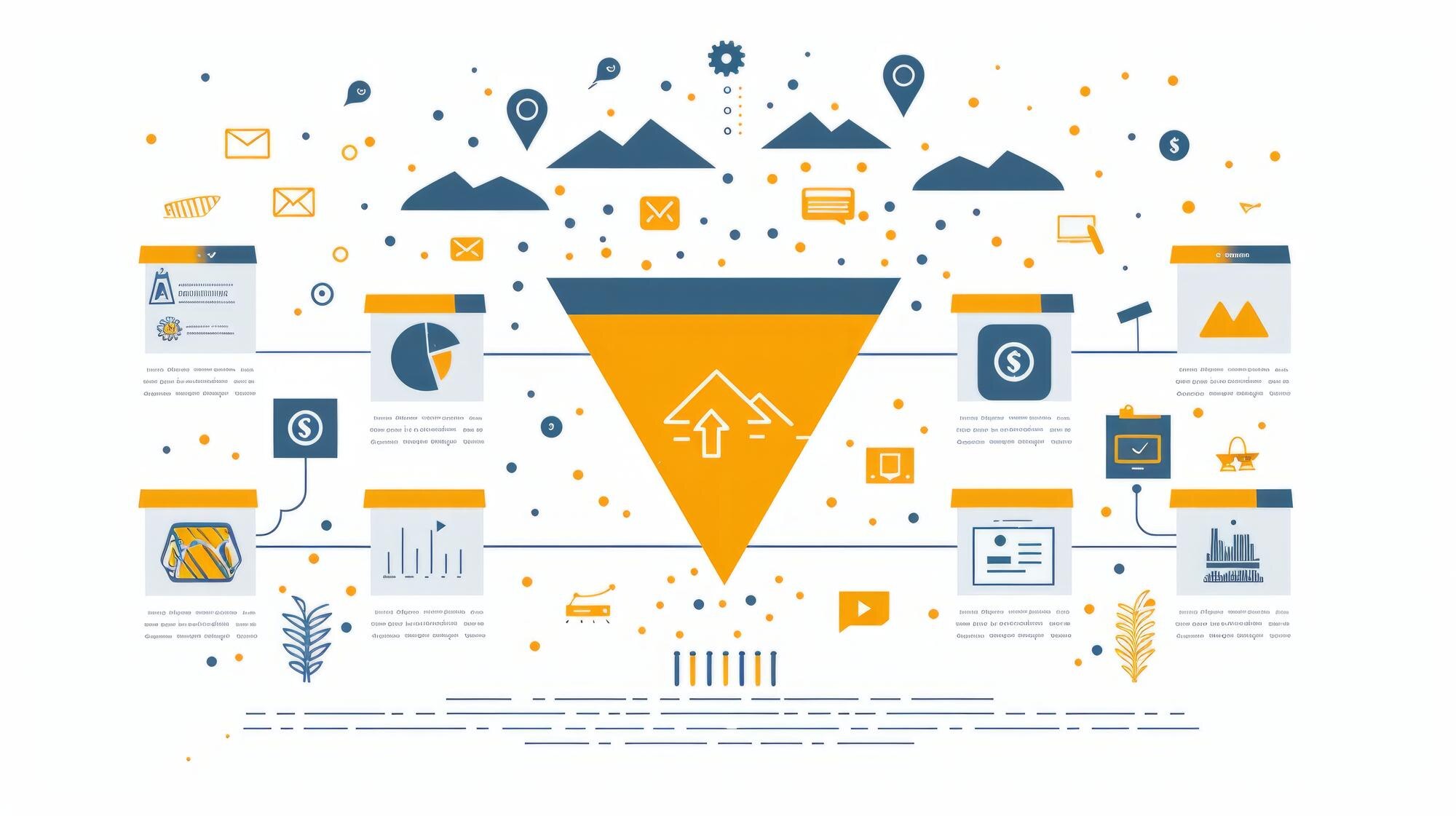
Once your funnel is built, focus on refining it. This includes nurturing leads, integrating AI voice agents, and conducting A/B tests.
Lead Nurturing Techniques
Lead nurturing turns prospects into customers. It’s about providing ongoing value. Use informative emails, exclusive offers, and personalized outreach. Think of it as building a relationship. 79% of leads never convert without nurturing. Keep them engaged and informed to increase conversion rates. For inspiration, visit this article.
AI Voice Agent Integration
AI voice agents streamline customer interactions. They handle calls, qualify leads, and book appointments. This technology saves time and ensures no opportunity is missed. Some believe AI is impersonal, but with the right setup, it enhances customer experience. It’s a tool to support rather than replace human interaction.
A/B Testing for Optimization
Testing is key to improving your funnel. A/B testing compares variations to see what works best. Test headlines, CTAs, and email content. Small tweaks can lead to big changes in conversion rates. Always test one variable at a time for clear results. Learn more about funnel optimization in this detailed guide.
In summary, a well-crafted sales funnel is a powerful tool. By laying a solid foundation, building effectively, and perfecting the process, you can create a system that not only attracts but also converts leads consistently. Remember, the longer you wait to optimize your funnel, the more potential customers might slip away.