
A Simple, Step-by-Step Plan to Build a Lead‑Generating Website
Most websites attract visitors but fail to turn them into real leads. It’s frustrating to know your site could do more to grow your business. This simple, step-by-step plan to build a lead-generating website lays out exactly how to plan, design, and optimize your site for steady website lead generation. Follow along to turn your online presence into a reliable source of qualified prospects—and learn how Abi Togunde Consulting can guide you through every stage. For more insights, check out this guide.
Planning Your Lead‑Generating Website

Turning visitors into leads starts with solid planning. Let’s explore how defining your audience and setting clear goals can lay a strong foundation for your site.
Define Your Target Audience
Knowing who you’re speaking to is half the battle. Start by creating a detailed profile of your ideal customer. Imagine their daily challenges, needs, and how your services fit into their lives. Are they business owners struggling with tech management? Or perhaps startups needing strategic guidance?
Once you have a clear picture, tailor your content to speak directly to them. Use words and visuals that resonate with their experiences. This personal touch can significantly boost your connection with potential leads. Remember, the more specific you are, the better you can address their pain points.
Another tip is to analyze your current customer base. What do they have in common? Use these insights to refine your marketing strategy. In this fast-paced digital world, standing out means speaking directly to the heart of your audience’s needs. Learn more here.
Set Clear Conversion Goals
Next up is setting goals. What do you want visitors to do on your site? Whether it’s signing up for a newsletter or scheduling a consultation, having clear objectives is crucial.
Begin by outlining the actions you want your visitors to take. Then, design your website to guide them smoothly towards these actions. Make it easy for them to understand what steps to take.
It’s also important to track these goals. Use tools like Google Analytics to monitor your progress. This will help you see what’s working and what needs tweaking. Remember, setting goals isn’t just about numbers—it’s about creating meaningful interactions that lead to real business growth.
Designing for Conversion
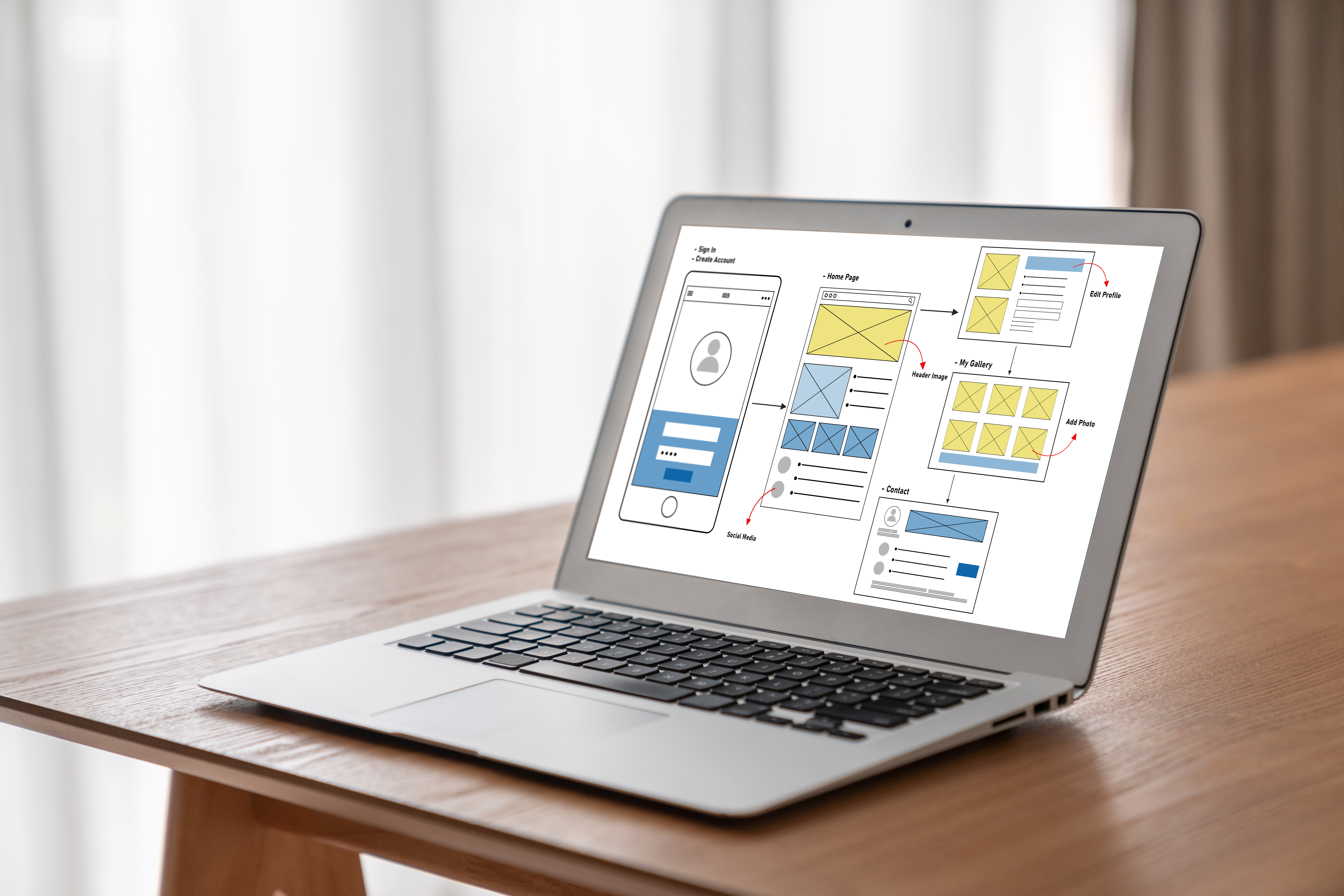
With your audience and goals in mind, it’s time to design your site. The right layout can lead visitors seamlessly to conversion points, enhancing your success.
Landing Page Best Practices
Your landing page is where first impressions are made. A well-crafted page can capture interest immediately. Start with a compelling headline. It should address a key problem your audience faces, drawing them in to learn more.
Keep your message clear and concise. Use bullet points to highlight benefits, and include a strong call to action. Make sure your design is visually appealing but not overwhelming. Simple layouts often work best—they allow your message to shine.
Consider adding testimonials or case studies. Real-life success stories build trust and credibility. People are more likely to engage when they see proof that others have benefited. Your landing page should ultimately answer the question: “Why choose you?”
Effective CTA Optimization
Your call-to-action (CTA) is the final nudge towards conversion. It should be visible and compelling. Use action-oriented language like “Start Your Free Trial” or “Get Started Now.” Make sure it stands out with contrasting colors.
Position your CTA strategically. It should appear where users naturally look, often at the end of your content or in the middle of engaging sections. Test different placements to find what works best for your audience.
Don’t forget to keep it simple. Avoid too many options which can overwhelm visitors. One clear, direct action is more effective than multiple vague ones. By optimizing your CTA, you increase the likelihood of turning visitors into leads. For more tips, visit this resource.
Building and Optimizing

The final step is to build and optimize your site. This involves tools like forms and analytics to continuously improve your lead generation process.
Lead Capture Forms and Analytics
Lead capture forms are vital for gathering information. Keep them short and simple. Ask only for essential details like name and email. The easier you make it, the more likely users will complete it.
Integrate your forms with analytics tools. This way, you can track form performance and see where improvements are needed. Analyzing data allows you to make informed decisions, ensuring your site remains effective in generating leads.
Don’t underestimate the power of A/B testing. Try different form designs or wording to see what resonates best. This constant tweaking helps refine your strategy, keeping it aligned with user preferences.
Heatmaps and A/B Testing
Heatmaps offer insight into user behavior on your site. They show where visitors click, scroll, and linger. Use this data to optimize your site layout, ensuring important elements are in prime positions.
A/B testing goes hand in hand with heatmaps. Test different versions of pages to see which performs better. It’s a continuous process of refinement that helps increase conversion rates over time.
Remember, building a lead-generating website isn’t a one-time task. It’s an ongoing journey of testing and improvement. The longer you wait to start, the more potential leads you miss. Dive into building your lead-generating powerhouse today. For more detailed guidance, explore this link.